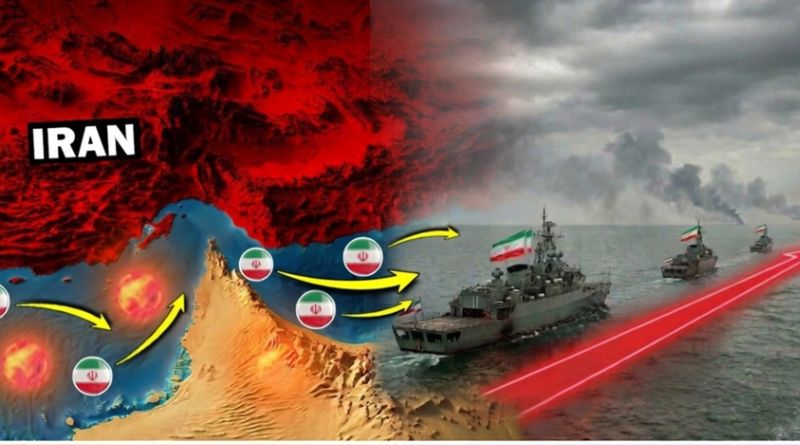
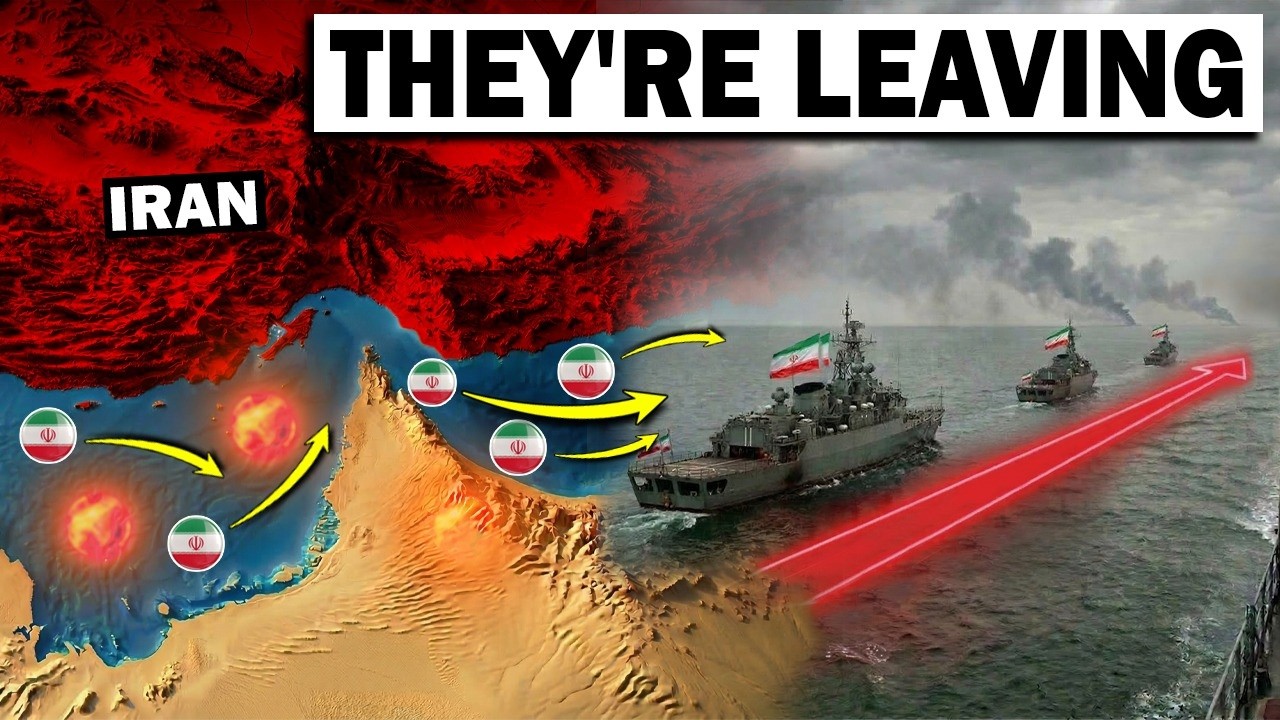
Iran has pushed its challenge in the **Strait of Hormuz** to a dangerous new level, openly defying U.S. naval forces and threatening retaliation after weeks of effectively closing the world’s most vital oil chokepoint. What followed was not mere posturing from Washington — it was a decisive Pentagon move that has dramatically altered the dynamics of the ongoing 2026 Iran conflict, catching many international observers by surprise in its speed and resolve.
This escalation goes far beyond routine naval maneuvers. It is a high-stakes contest over who truly controls the flow of global energy, with profound implications for oil markets, alliances, and the broader balance of power in the Middle East and beyond. Behind the immediate military actions lies a deeper strategic shift that could redefine regional security for years to come.
The Spark: Iran’s Bold Challenge in Hormuz
The crisis traces back to February 28, 2026, when U.S. and Israeli strikes targeted Iranian military, nuclear, and leadership sites, including the assassination of Supreme Leader Ali Khamenei. Iran retaliated with missile and drone barrages across the region and swiftly declared the Strait of Hormuz closed to most commercial traffic, particularly vessels linked to the U.S., Israel, and their allies.

By early March, shipping through the narrow 21-mile waterway — which normally carries about 20% of global seaborne oil trade, roughly 20 million barrels per day — had plummeted by over 90-95%. Attacks on vessels became sporadic but deadly, with at least 10-17 reported incidents, several crew fatalities, and insurance premiums soaring. Iran asserted control, in some cases demanding tolls or selective permissions, turning the strait into a de facto tool of asymmetric leverage.
A fragile two-week ceasefire took effect around April 8, raising hopes for limited reopenings. However, talks in Islamabad between U.S. and Iranian negotiators collapsed without agreement on key issues, including immediate reopening of the strait and Iran’s uranium stockpiles. Iran refused to relinquish its leverage, insisting any full reopening come only after a comprehensive deal.
In response, Iran continued to challenge freedom of navigation. Iranian Revolutionary Guard Corps (IRGC) forces issued warnings to U.S. warships, with statements like “This is the last warning” emphasizing that passage must align with international law — as interpreted by Tehran. Iranian media and officials threatened broader disruptions, including potential Houthi-linked actions in the Red Sea if the U.S. persisted.
This defiance was seen by many analysts as Iran pushing too far, testing the limits of U.S. tolerance during a sensitive ceasefire window set to expire around April 21.
The U.S. Response: A Game-Changing Blockade
What came next was the move that changed everything. On April 12-13, President Donald Trump announced that the U.S. Navy would impose a blockade targeting vessels entering or leaving Iranian ports through the Strait of Hormuz. The Pentagon, via U.S. Central Command (CENTCOM), clarified the scope: the operation would intercept, divert, or capture unauthorized ships tied to Iranian ports and coastal areas, while explicitly allowing freedom of navigation for vessels transiting to or from non-Iranian ports (such as those in Saudi Arabia, the UAE, or Iraq).
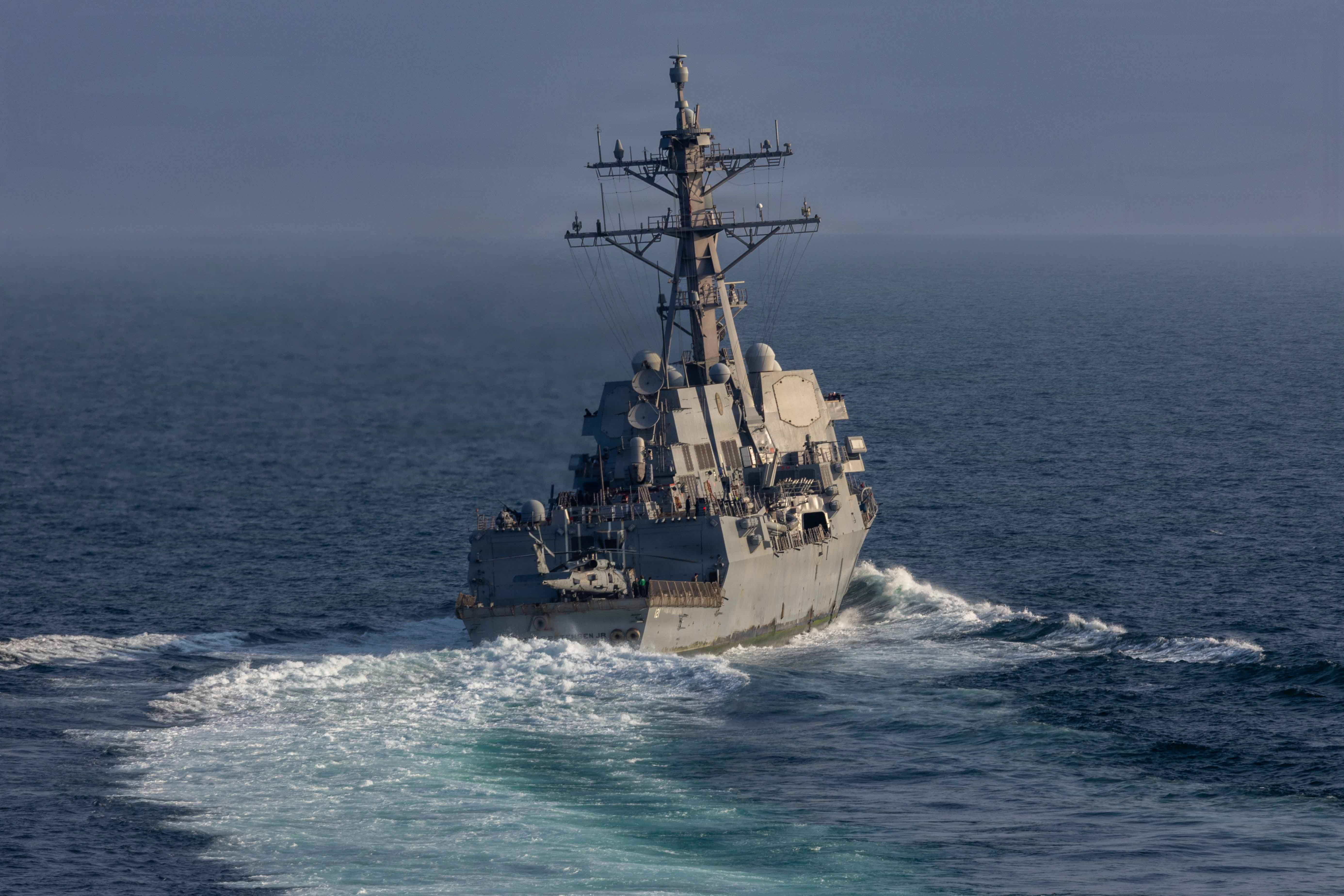
Implementation began swiftly on April 13. In the first 24 hours, the U.S. military reported turning back six merchant vessels and claimed the blockade had “completely halted economic trade” going into and out of Iran by sea. Ship-tracking data showed mixed results initially, with some vessels turning around, others attempting transits, and reports of limited successes or workarounds. U.S. forces positioned additional warships, including destroyers that had earlier crossed the strait to signal intent and begin mine-clearing preparations.
The Pentagon reinforced the effort with thousands of additional troops and naval assets, including elements from an aircraft carrier strike group and amphibious ready groups, bringing total U.S. personnel involved in related operations to over 50,000 in the broader region. This surge included minesweepers, helicopters, drones, and other assets to counter Iranian mines, fast-attack craft, and other threats.
The move caught many off guard because it represented a direct counter to Iran’s strategy without immediately attempting a full military reopening of the entire strait — a far more complex and escalatory operation that could involve clearing mines and confronting IRGC naval forces head-on. Instead, the targeted blockade aimed to squeeze Iran’s oil export revenue (estimated at around 1.8-2 million barrels per day pre-blockade) while preserving flows from Gulf allies.
U.S. officials framed it as enforcement of freedom of navigation and pressure to bring Iran back to serious negotiations. Trump publicly stated the war was “very close to over” and suggested new talks could resume soon, while emphasizing the blockade’s role in cutting off Iran’s economic lifeline.
Immediate Impacts: Energy Markets and Global Shockwaves
Oil prices reacted sharply. Brent crude and WTI surged several percent in the days following the announcement, reflecting fears of prolonged disruption even as non-Iranian flows continued in theory. Global supply concerns mounted, with ripple effects on fertilizer, food, and other commodities that rely on Gulf shipping routes. Hundreds of vessels remained in holding patterns, exacerbating backlogs.
Gulf states, already hit hard by Iranian attacks on infrastructure, accelerated “Iran-proofing” efforts. Saudi Arabia ramped up its East-West Pipeline to divert crude to Red Sea ports, while the UAE and others explored bypass options. These moves highlighted the strait’s vulnerability but also the resilience of alternative routes.
Iran responded with fresh threats to disrupt shipping more broadly across the Persian Gulf, Gulf of Oman, and even the Red Sea, warning that continued U.S. actions would create insecurity for its own tankers. Tehran accused Washington of violating the ceasefire spirit.
The Hidden Shift: Redefining Power and Control
Beyond the immediate naval chess match, this confrontation signals a profound shift in the regional power balance. For decades, Iran has relied on the Strait of Hormuz as its ultimate deterrent — the ability to threaten global energy flows with relatively low-cost asymmetric tools like mines, drones, and speedboats. By imposing its own targeted blockade and demonstrating the capacity to enforce it, the U.S. is directly contesting that leverage.
This isn’t just about reopening shipping lanes. It is about establishing who sets the rules for one of the planet’s most critical arteries. Success for the U.S. could diminish Iran’s strategic card, encourage Gulf states to invest more heavily in bypass infrastructure, and strengthen Washington’s credibility with energy-dependent allies in Asia and Europe.
At the same time, it risks escalation. Iran retains capabilities to harass shipping, target infrastructure, or activate proxies. The fragile ceasefire hangs in the balance, with diplomats urging extensions and new mediated talks via Pakistan or others.
Longer-term, the episode underscores the limits of military pressure alone. Even if the blockade succeeds in choking Iran’s revenue, full restoration of pre-crisis flows will likely require diplomatic breakthroughs on nuclear issues, sanctions relief, and security guarantees. Analysts note that sustained U.S. naval commitment carries costs and could strain relations with powers like China and India, major buyers of Iranian or Gulf oil who have voiced concerns over disruptions.
The Pentagon’s move has also highlighted evolving naval tactics: combining traditional surface forces with drones, helicopters, and rapid mine countermeasures to manage risks in confined waters without full-scale war.
What’s Next: Tension, Talks, and Uncertainty
As the ceasefire window narrows, attention turns to whether Iran will blink under economic pressure or double down with new provocations. U.S. officials have hinted at readiness for further actions if needed, while emphasizing de-escalation pathways. Shipowners and energy traders watch anxiously for any signs of normalized transits or renewed attacks.
Global observers remain divided. Some see the U.S. response as a necessary assertion of international norms against Iranian aggression. Others worry it could prolong instability and drive oil prices higher at a sensitive time for the world economy.
What is clear is that Iran’s latest push in the Strait of Hormuz has prompted a U.S. counter that has reshaped the battlefield. Control over energy flows is no longer an abstract concept — it is being contested in real time, with warships, diplomacy, and economic leverage all in play.
This episode may not end the broader conflict, but it has undeniably changed the equation. The world is watching to see whether this bold American move forces a breakthrough or sets the stage for even riskier confrontations ahead. In the high-stakes game of Middle East power politics, the Strait of Hormuz remains the ultimate prize — and the rules are being rewritten as events unfold.
